01
The Yarra River
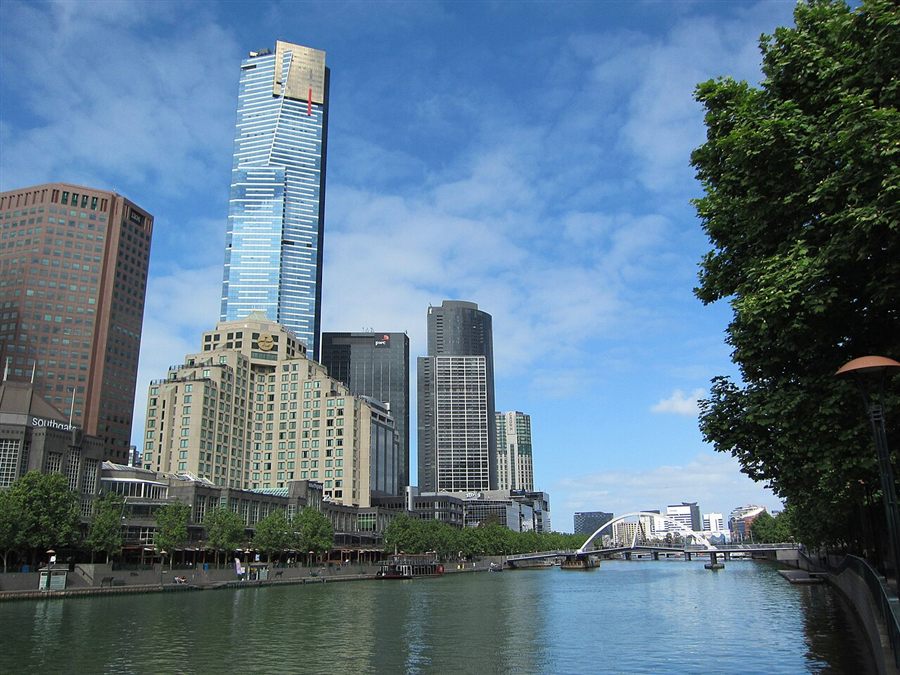
My front-row view. Rowers at dawn, ferries gliding past and the water changing colour through the day.
Photo: the Yarra at Southbank, 2011. terrazzo, CC BY-SA 2.0. Source
whoami
Yachts on the river, sunsets over the water and the city skyline at my doorstep — everyday life on the Docklands waterfront, one photo at a time.
About
I live on the waterfront facing the Yarra River, where yachts and boats line the marina just outside — minutes from the heart of Melbourne.
There's something about looking out over the Yarra, with the yachts rocking gently in the marina, that never gets old.
Mornings start with the river catching the first light. By evening the water turns gold, the masts glow against the skyline and the city lights come on across the river.
This page is my way of sharing it — the river, the boats, the places I love nearby and photos from life on the waterfront.
The Docklands story
How a riverside swamp became a working port, fell quiet, and was reborn as one of Melbourne's newest neighbourhoods.
The land where Docklands now stands was wetland and river flats beside the Yarra, cared for over thousands of years by the Wurundjeri Woi-wurrung and Bunurong Boon Wurrung peoples.
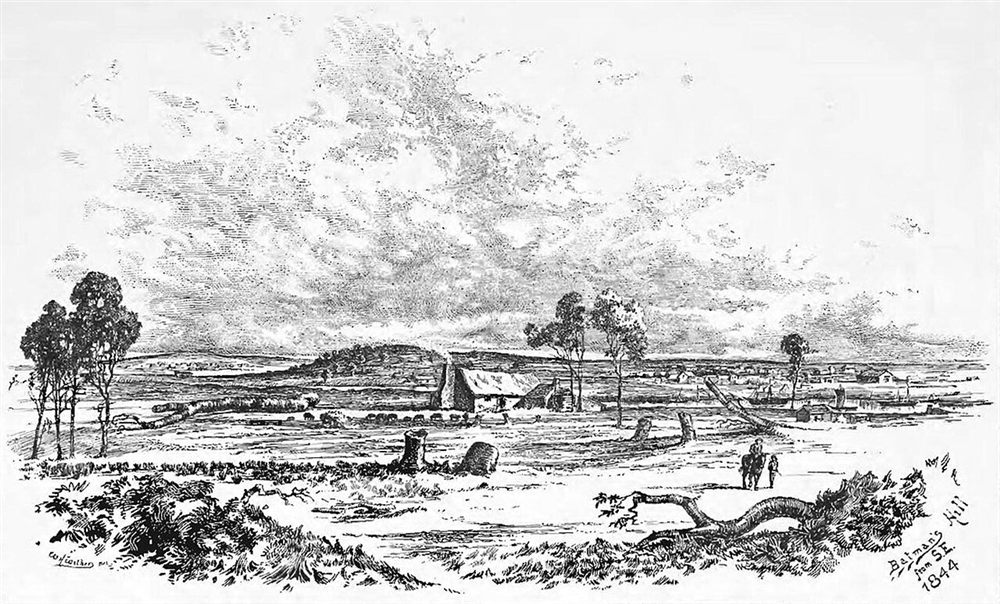
Engineers cut the Coode Canal to straighten the river's winding course, letting bigger ships sail right up to the city.
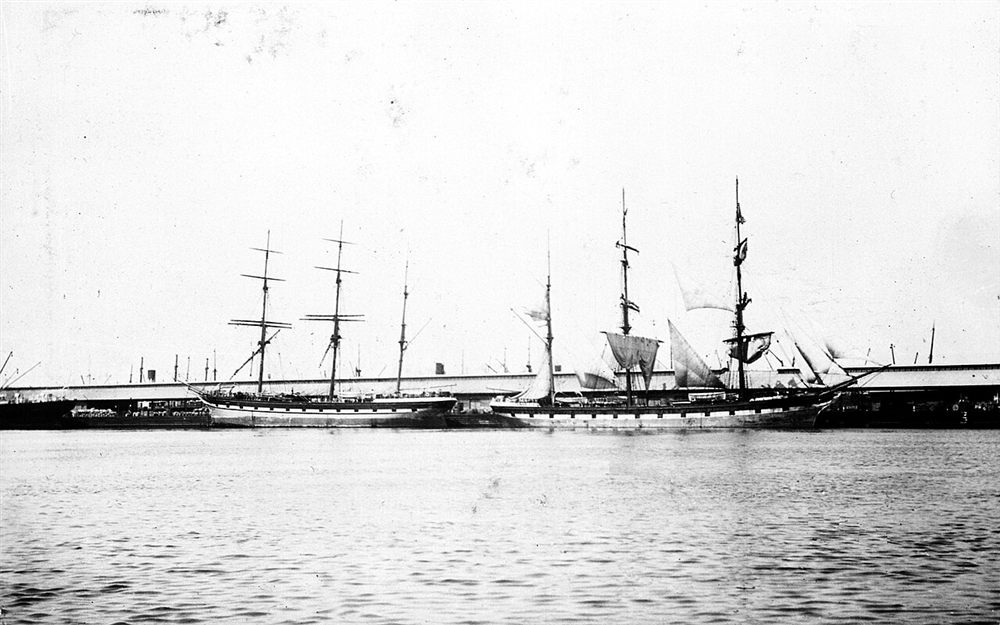
The new dock becomes the beating heart of Melbourne's port, surrounded by wharves, warehouses and rail yards for most of the next century.
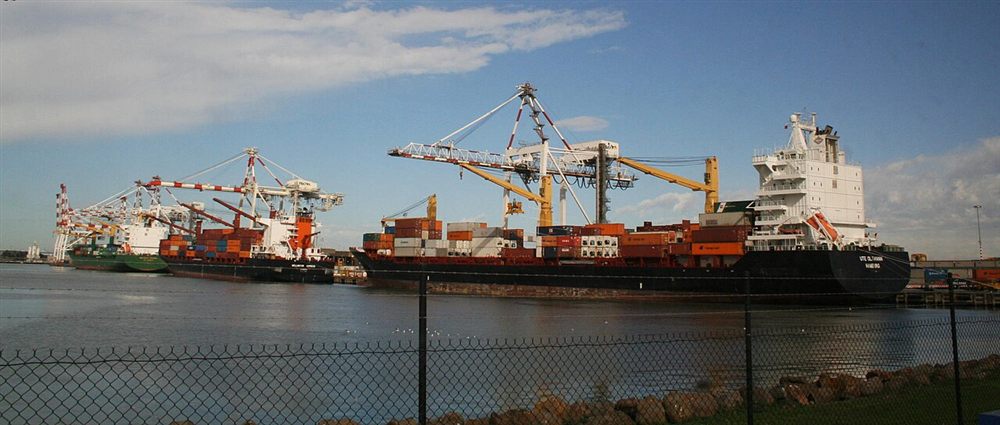
Container shipping moves downstream to bigger berths, and the old docks and rail yards are slowly left behind.
The Docklands Authority is set up to turn the empty port land into a new place to live, work and visit.
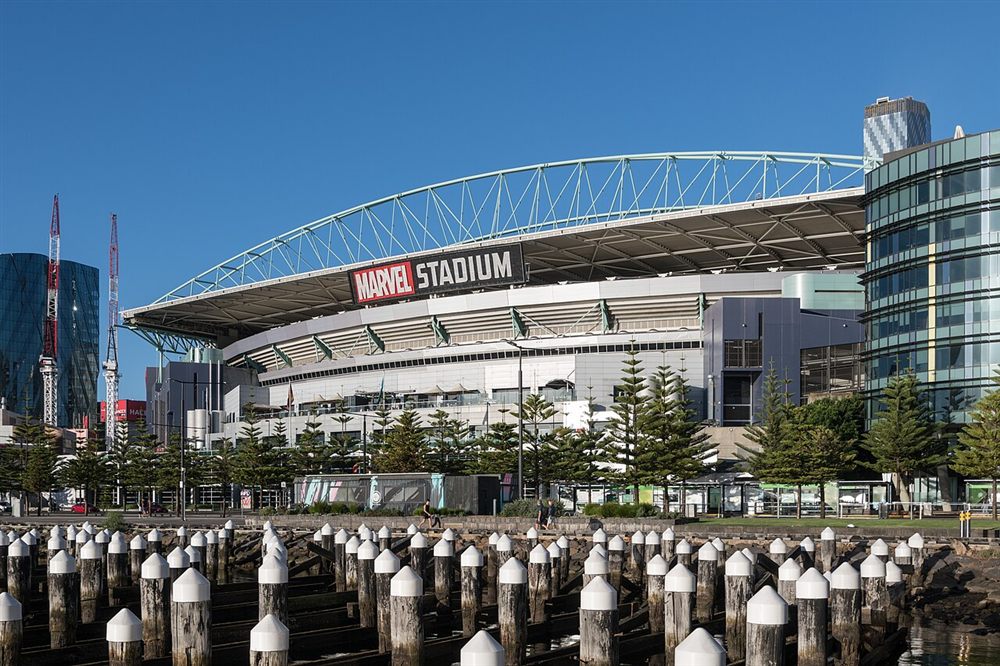
Docklands Stadium, now Marvel Stadium, opens and brings footy crowds and concerts to the waterfront.
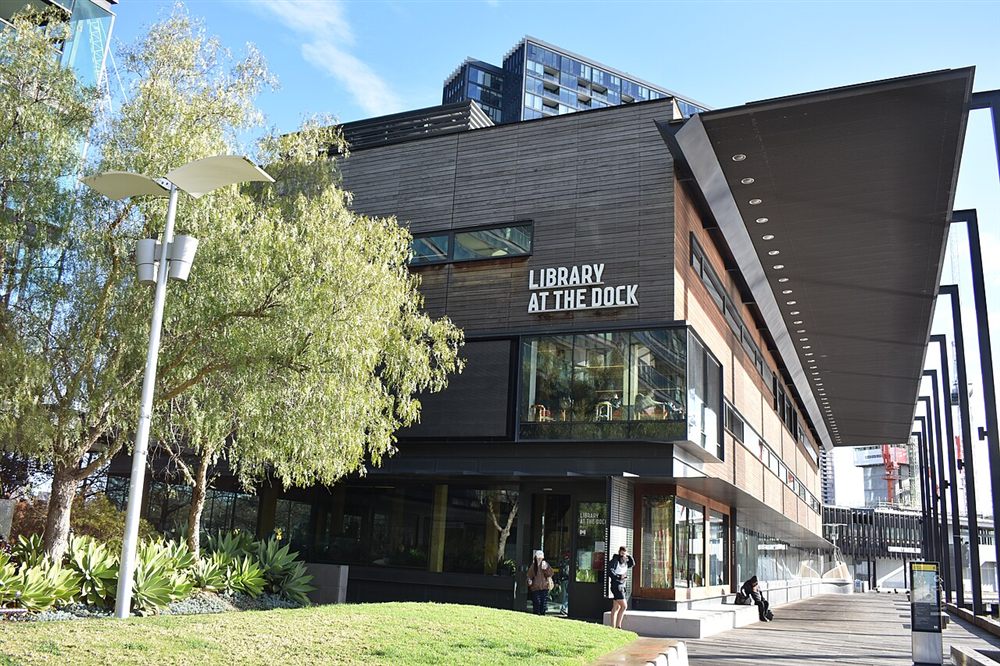
The timber library on Victoria Harbour opens as the first public building in Australia to earn a 6 Star Green Star rating.
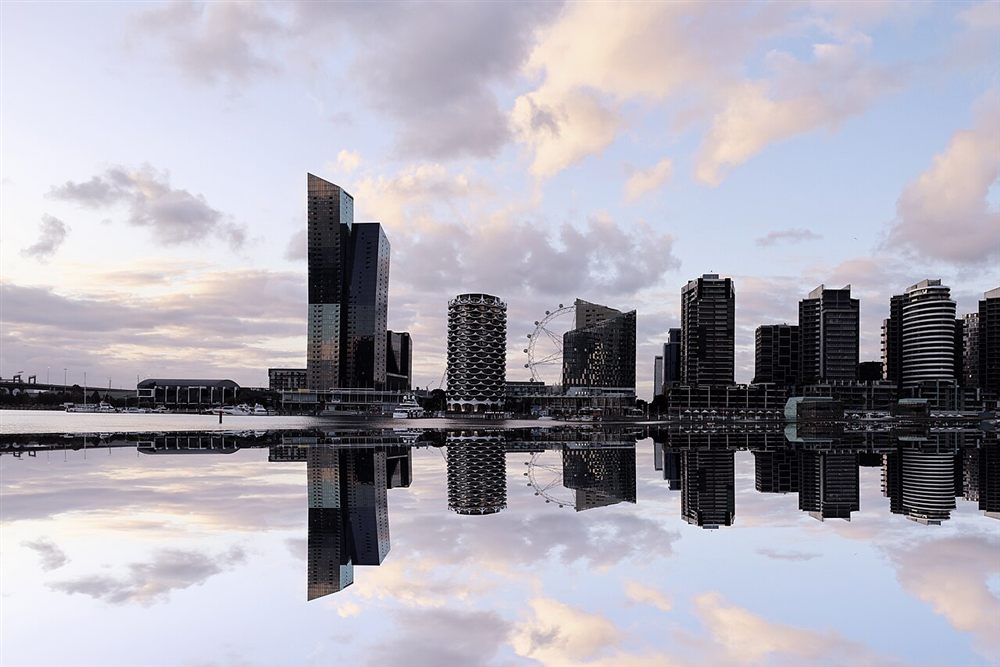
Marinas, parks, offices and apartments line the river and harbour. It's home to thousands of people, and some of the best sunsets in the city.
Around the neighbourhood
A few spots that make Docklands feel like home.
My front-row view. Rowers at dawn, ferries gliding past and the water changing colour through the day.
Photo: the Yarra at Southbank, 2011. terrazzo, CC BY-SA 2.0. Source
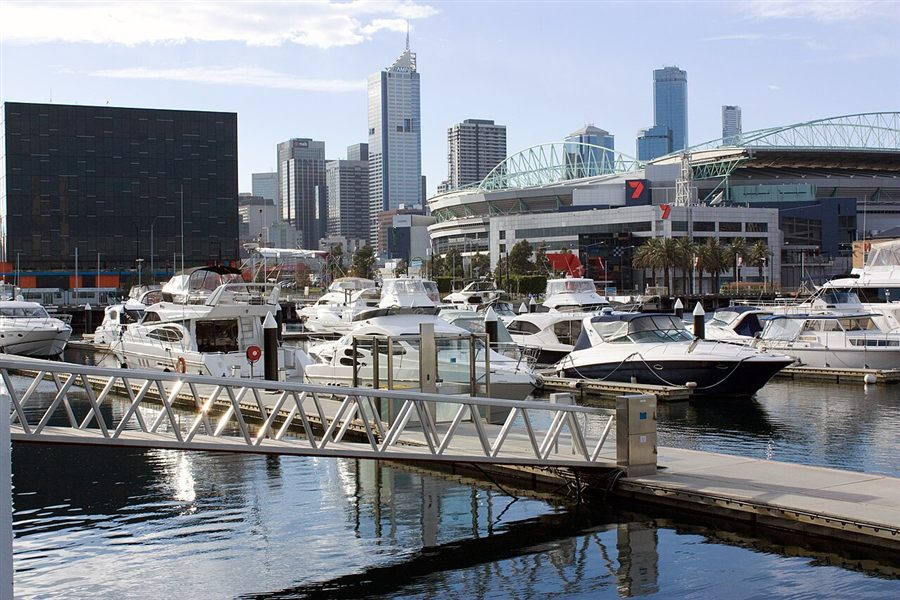
Masts and moored boats right outside — the sound of halyards in the breeze is part of daily life.
Photo: boats moored in Victoria Harbour, Docklands, 2010. Rexness, CC BY-SA 2.0. Source
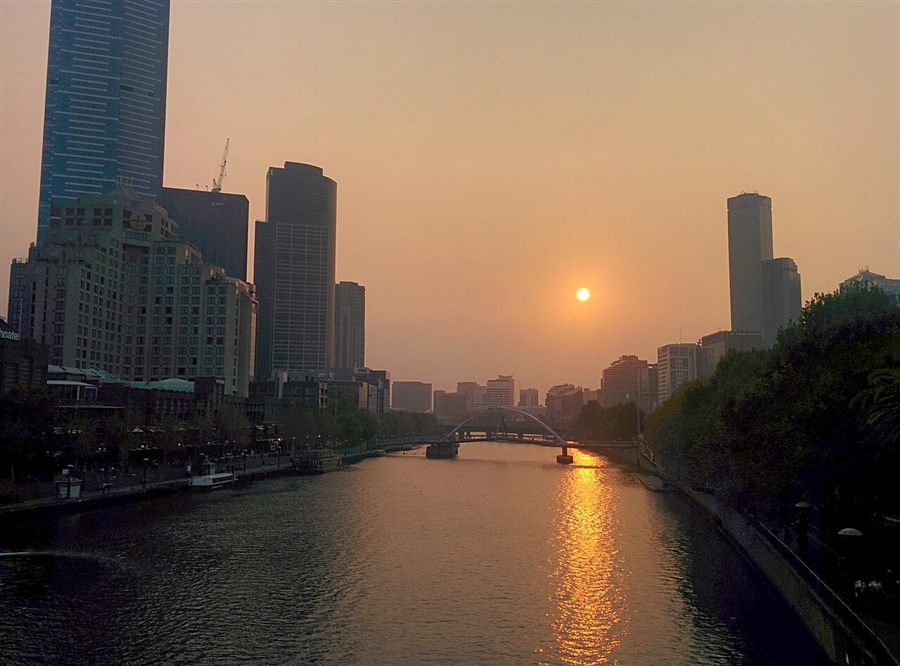
Paths along the Yarra made for evening strolls, runs and bike rides into the city.
Photo: the Yarra and Southbank footbridge at sunset, 2014. MusikAnimal, CC BY-SA 4.0. Source
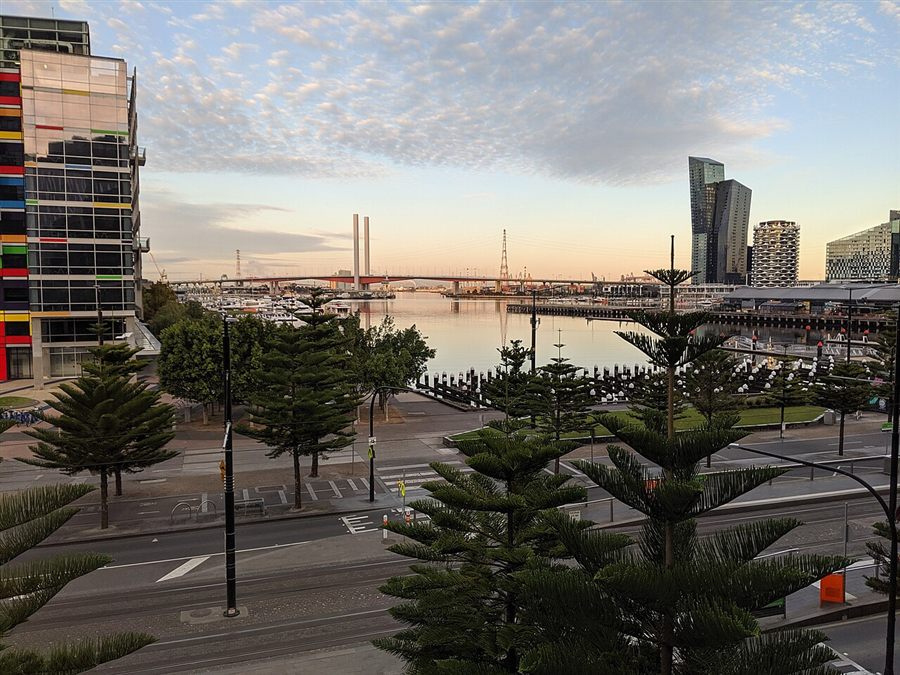
The heart of Docklands, with calm water and the best spot to watch the city lights come on.
Photo: Victoria Harbour seen from Marvel Stadium, 2019. Pollynolly, CC BY-SA 4.0. Source
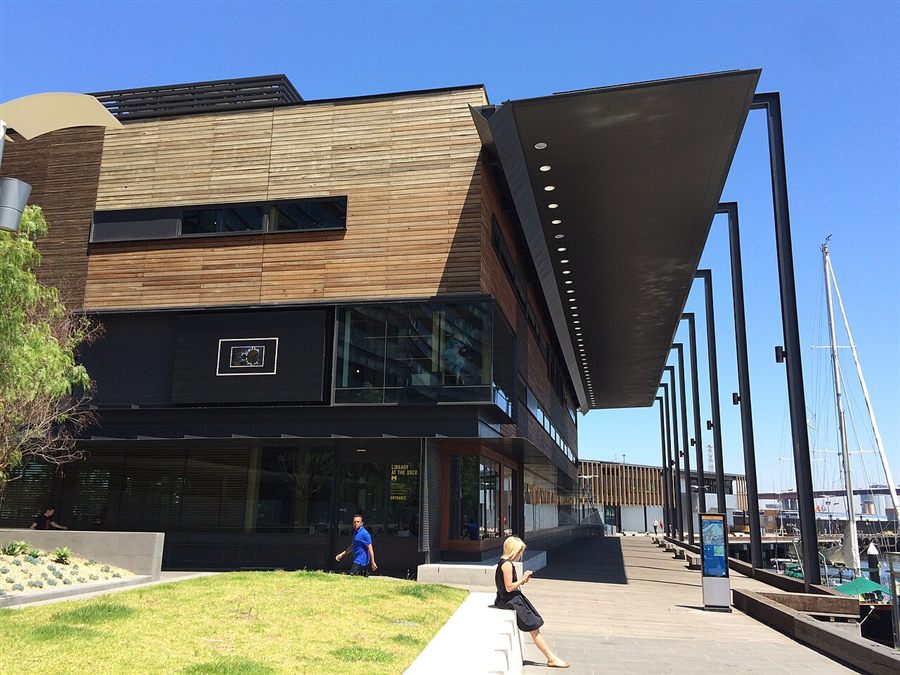
A beautiful timber library right on the water — quiet corners with harbour views.
Photo: Library at the Dock from the east, 2015. Alistair Roche, CC BY-SA 4.0. Source
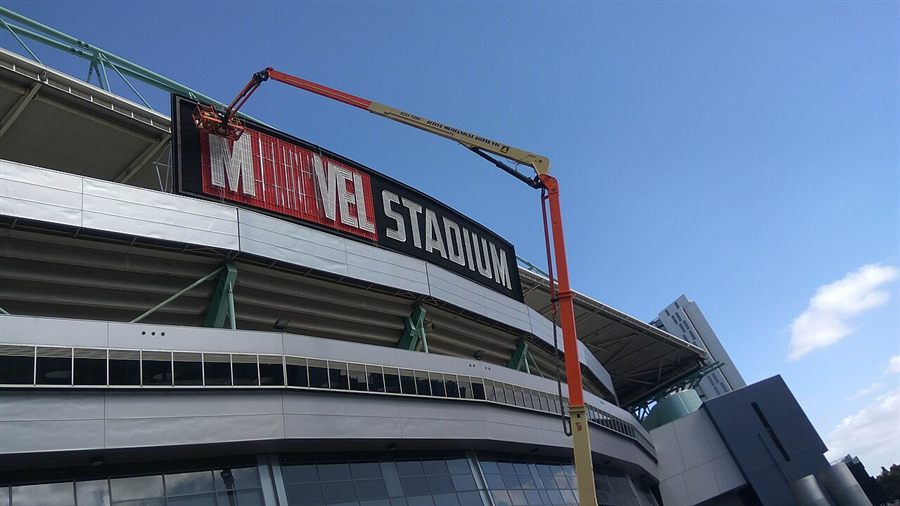
Footy nights, concerts and the buzz of a crowd just around the corner.
Photo: the day the Marvel Stadium sign went up, October 2018. Amrithraj, CC BY-SA 4.0. Source
About Melbourne
Culture, coffee, sport and gardens: a few of the things that make Melbourne one of the world's great places to live.
Melbourne sits at the head of Port Phillip Bay on the Traditional Lands of the Wurundjeri Woi-wurrung and Bunurong Boon Wurrung peoples of the Kulin Nation. It's a city of hidden laneways, grand Victorian streets and serious café culture, and it wears its many layers proudly.
Year the modern city was founded on the banks of the Yarra
People living across Greater Melbourne
Of tram track, the largest urban tram network in the world
Named the world's most liveable city by the Economist Intelligence Unit
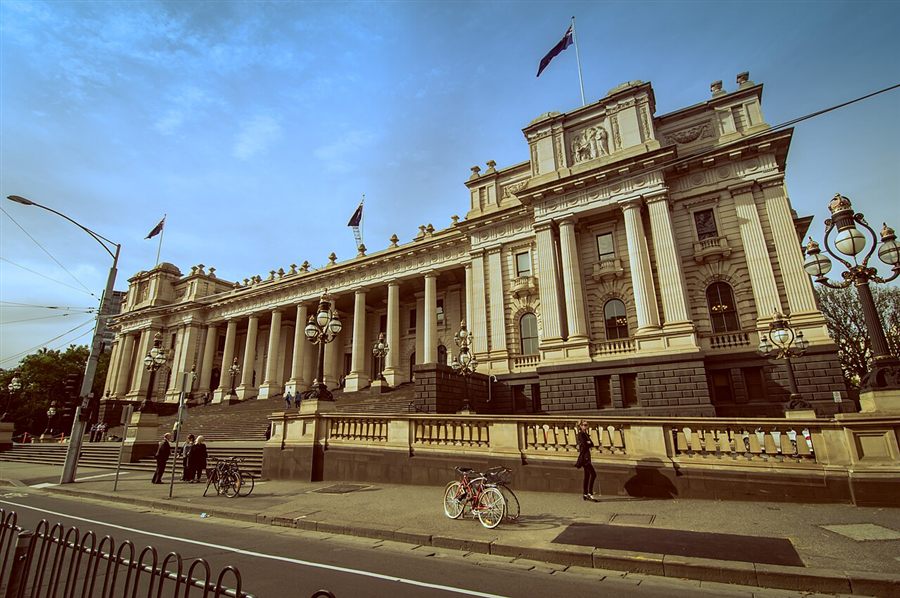
History & heritage
Founded in 1835, Melbourne boomed during the 1850s gold rush and grew into one of the richest cities in the world. It was Australia's seat of government from Federation in 1901 until Parliament moved to Canberra in 1927, and the grand buildings of that era still line Collins and Swanston Streets.
Photo: Parliament House on Spring Street, where the federal parliament sat from 1901 to 1927. chee.hong, CC BY 2.0. Source
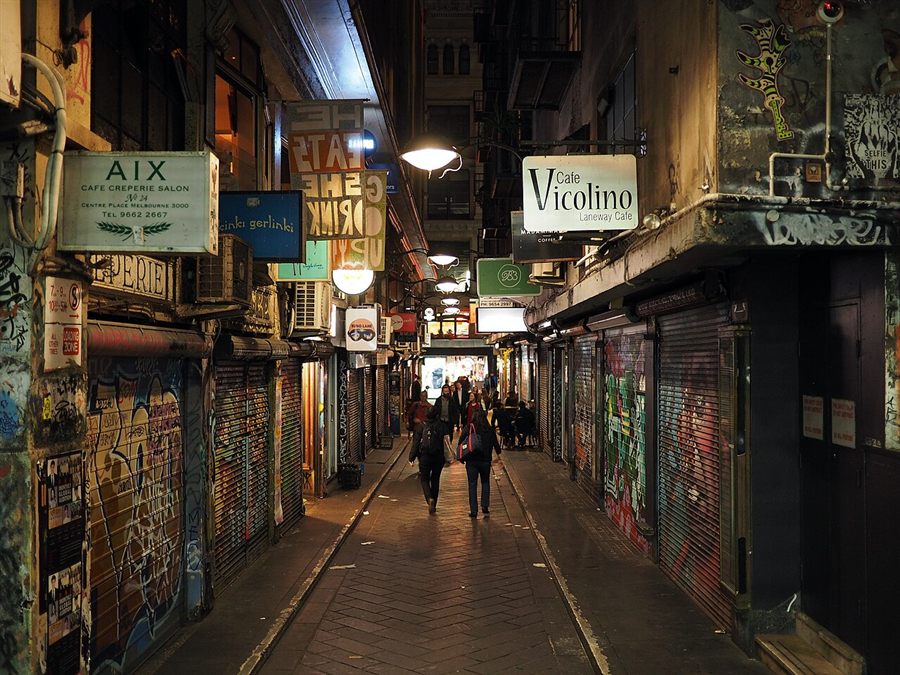
Laneways & coffee
The CBD hides a maze of laneways and arcades, from Degraves Street and Centre Place to the Block Arcade, packed with tiny cafés and bars. Hosier Lane is an ever-changing gallery of street art, and coffee is a point of pride: the flat white is practically the city's official drink.
Photo: Centre Place at night, 2017. Nick-D, CC BY-SA 4.0. Source
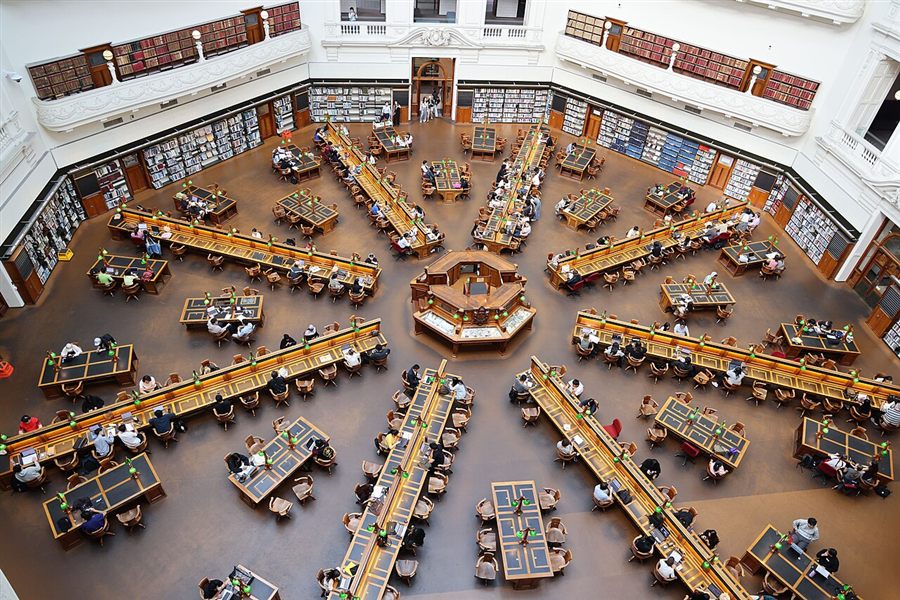
Arts & culture
The National Gallery of Victoria, founded in 1861, is Australia's oldest public art museum. Across the river the Arts Centre spire marks the theatre precinct, the State Library's domed La Trobe Reading Room is a sight in itself, and ACMI at Federation Square celebrates film, TV and games.
Photo: the La Trobe Reading Room at State Library Victoria, 2025. Bhullargraphic, CC BY-SA 4.0. Source
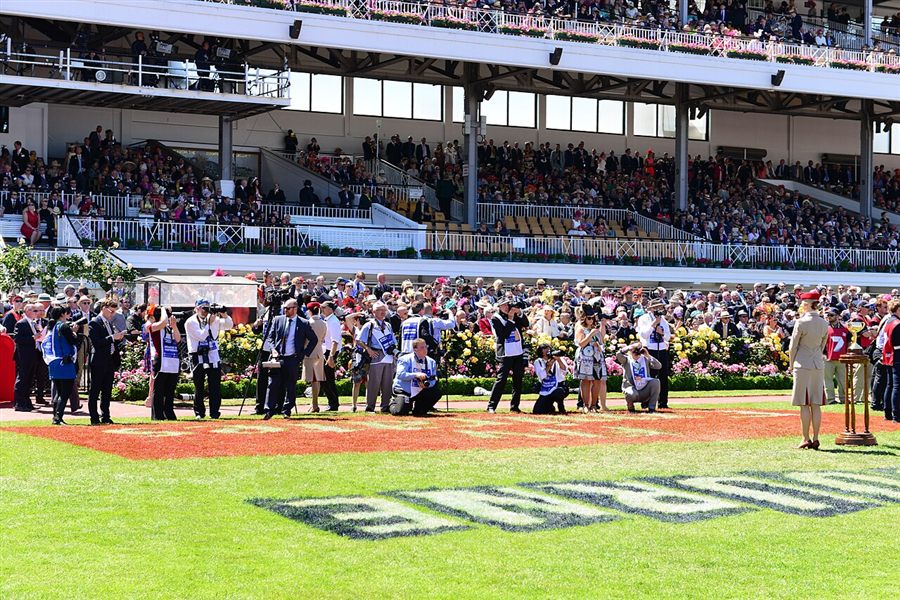
Sport
Few cities love sport like Melbourne. The MCG fills with 100,000 fans for the AFL Grand Final and the Boxing Day Test, Melbourne Park hosts the Australian Open every January, and the Melbourne Cup stops the nation on the first Tuesday of November.
Photo: race-day crowds at Flemington for the 2013 Melbourne Cup. Chris Phutully, CC BY 2.0. Source
Food & markets
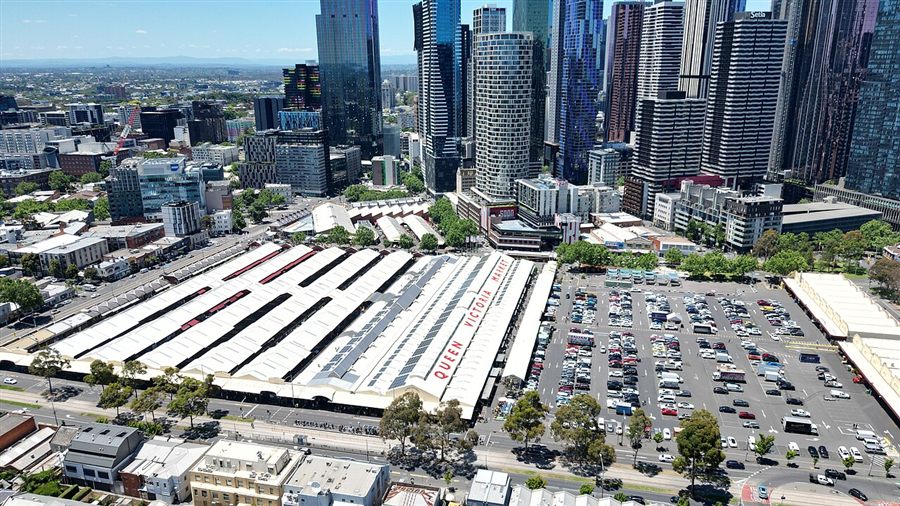
Queen Victoria Market has traded since 1878 and is the largest open-air market in the Southern Hemisphere. Generations of migrants shaped how the city eats: Italian on Lygon Street, one of the oldest Chinatowns in the Western world on Little Bourke Street, Vietnamese in Richmond and Greek in Oakleigh.
Photo: Queen Victoria Market from above, 2022. Bob Tan, CC BY 4.0. Source
Parks & gardens
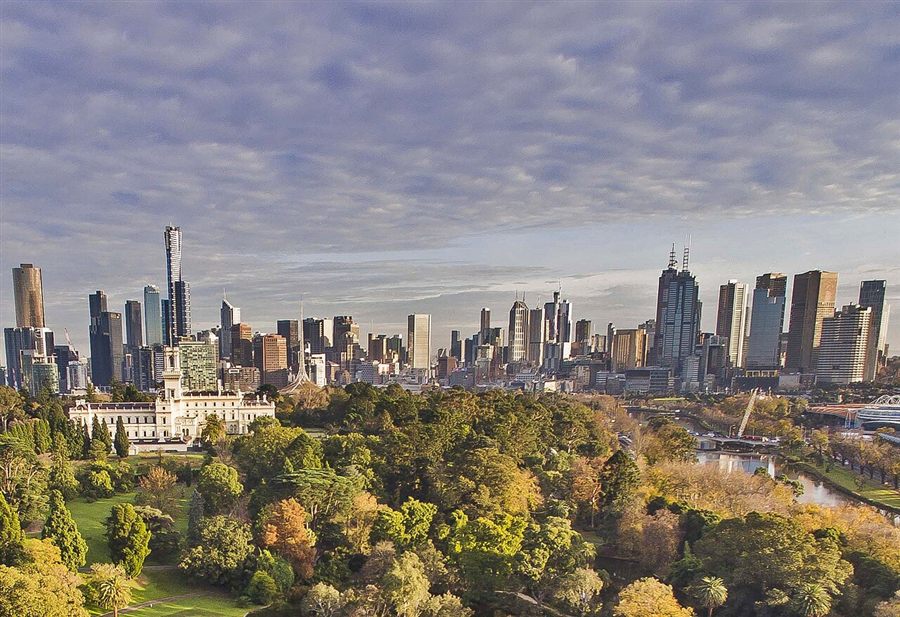
The Royal Botanic Gardens, established in 1846, spread across 38 hectares beside the Yarra. Fitzroy, Carlton and Flagstaff Gardens bring big old trees and green lawns right up to the edge of the city grid.
Photo: the Royal Botanic Gardens with the city behind, 2017. Adrian Vittorio, CC BY 4.0. Source
Getting around
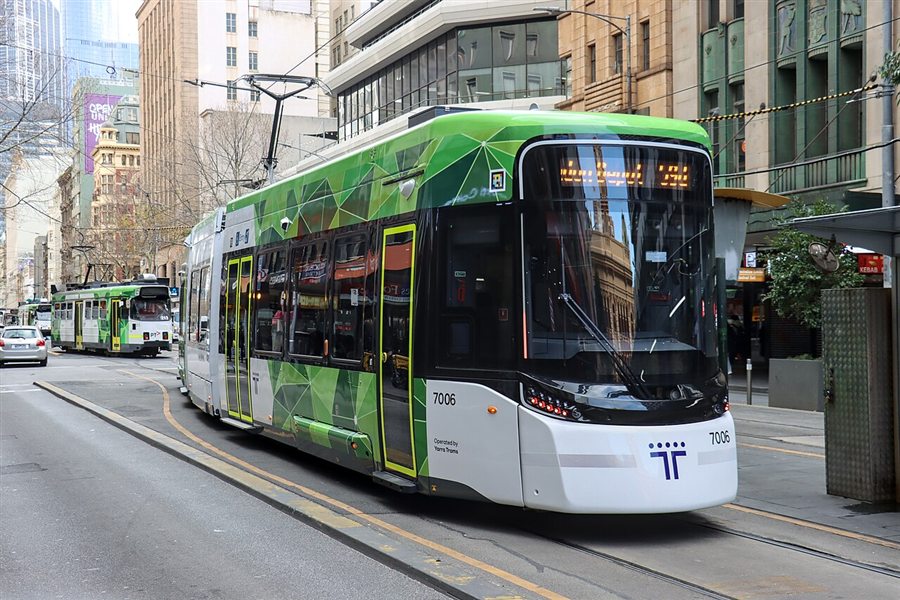
Trams are free inside the city's Free Tram Zone, which includes Docklands, and the City Circle tram loops past many of the main sights. Beyond that, a tap of a myki card gets you almost anywhere, and bike paths follow the river and the bay.
Photo: one of Melbourne's newest G-class trams on its first day in service, 30 July 2026. Philip Mallis, CC BY-SA 4.0. Source
Beyond the city
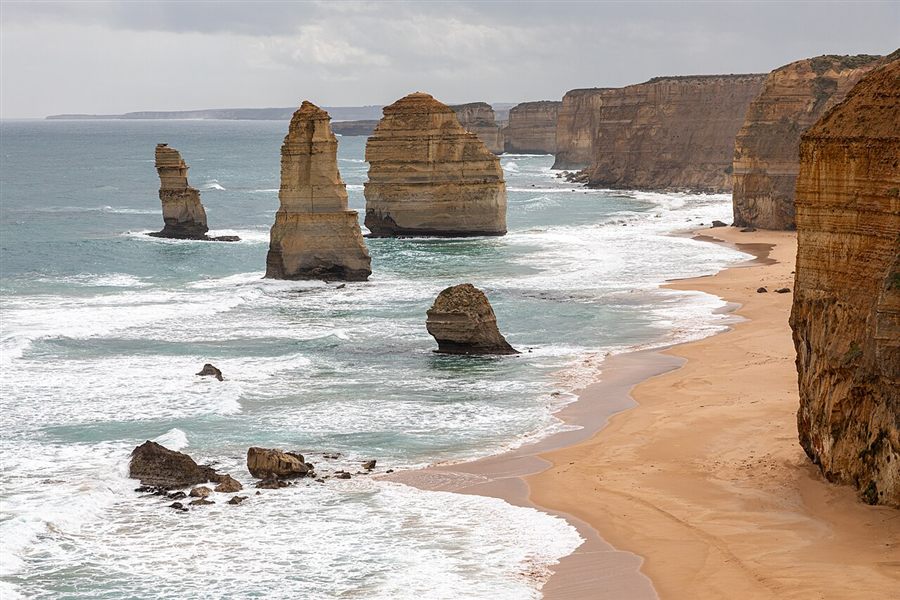
Some of Australia's best day trips start here: the Great Ocean Road and the Twelve Apostles, the penguin parade on Phillip Island, wineries in the Yarra Valley, beaches on the Mornington Peninsula and the Puffing Billy steam train in the Dandenong Ranges.
Photo: the Twelve Apostles on the Great Ocean Road, 2019. Dietmar Rabich, CC BY-SA 4.0. Source
Around the CBD
The city centre is a free tram ride from Docklands, and its best parts are hidden down narrow lanes and arcades. Here's a walk I love, starting at Flinders Street Station.
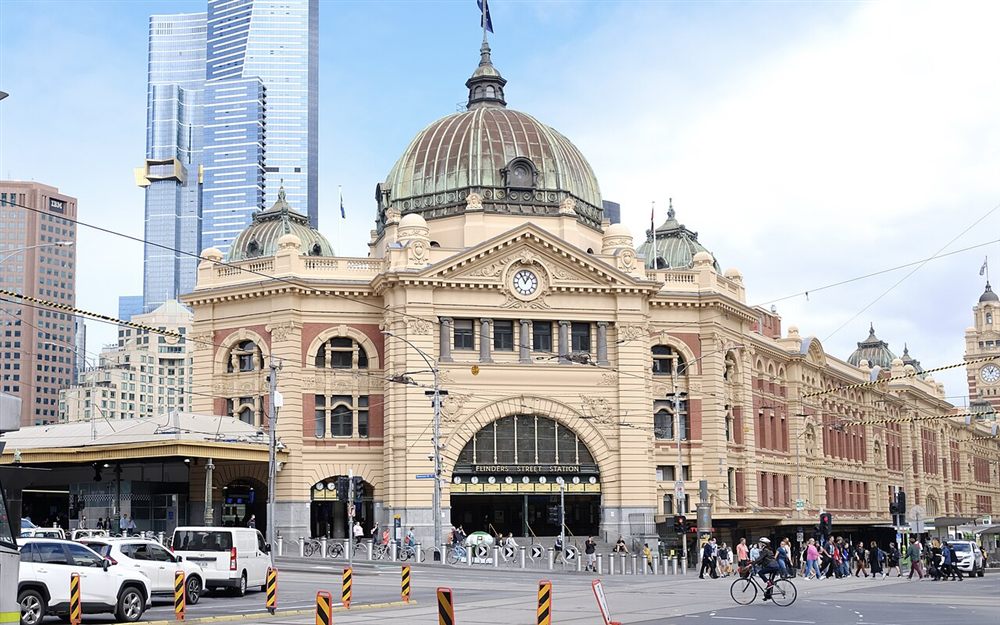
The city's classic meeting point: locals still say "meet me under the clocks" at the main entrance. The domed station building opened in 1910 and glows gold at night.
Photo: Gracchus250, 2021, CC BY-SA 4.0. Source
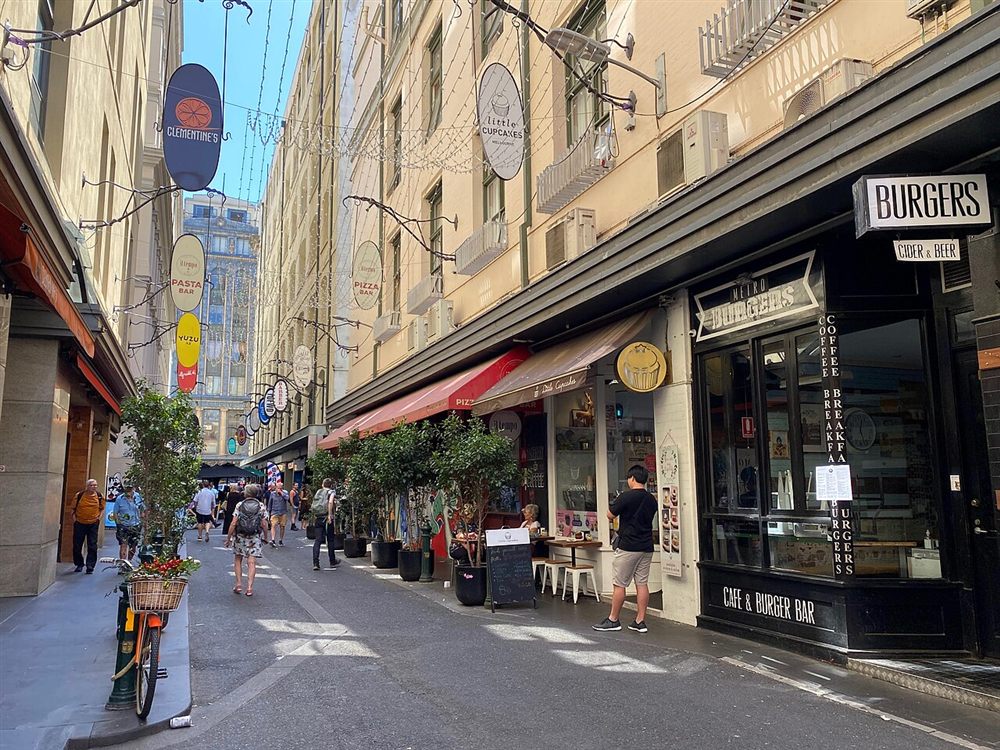
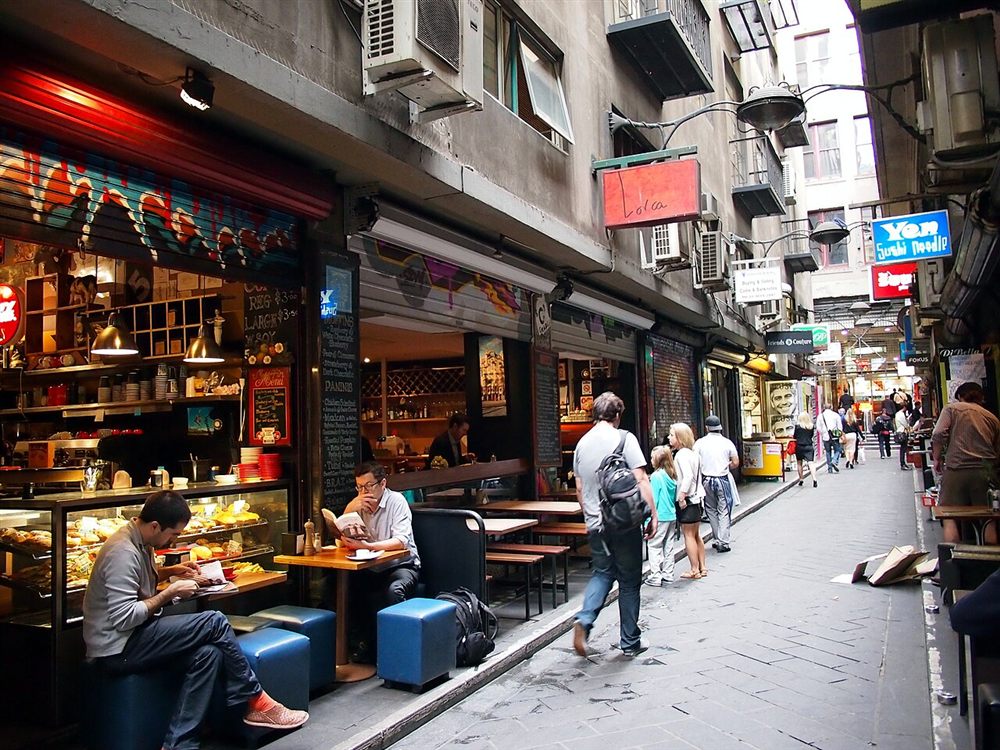
Degraves carries on across Flinders Lane into Centre Place, even narrower and busier. Hole-in-the-wall cafés, dumpling bars and walls of stickers and tags, all squeezed into a few metres.
Photo: Nick-D, 2012, CC BY-SA 4.0. Source
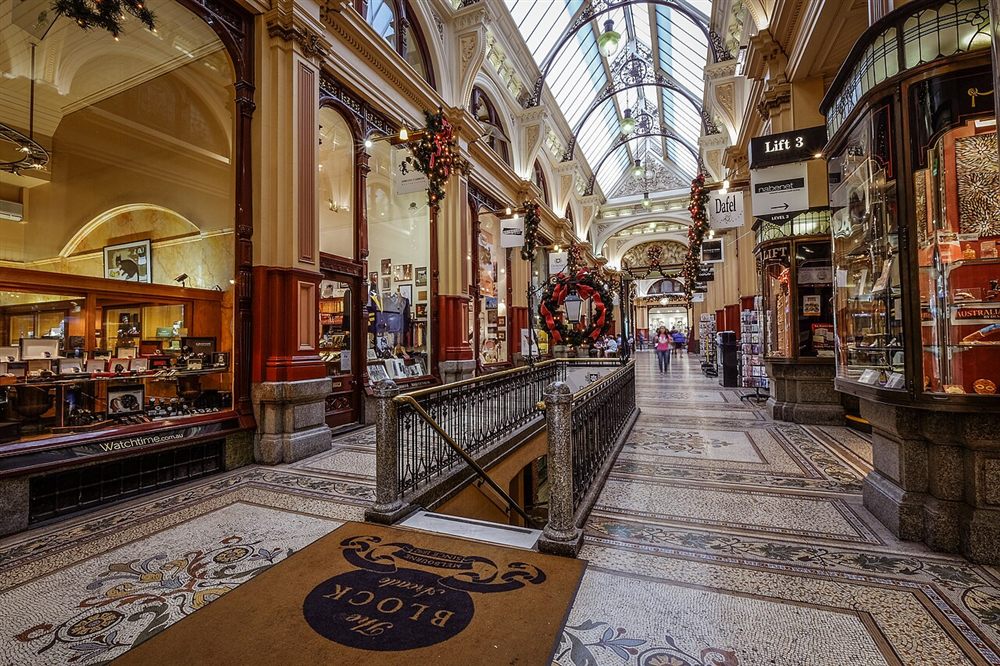
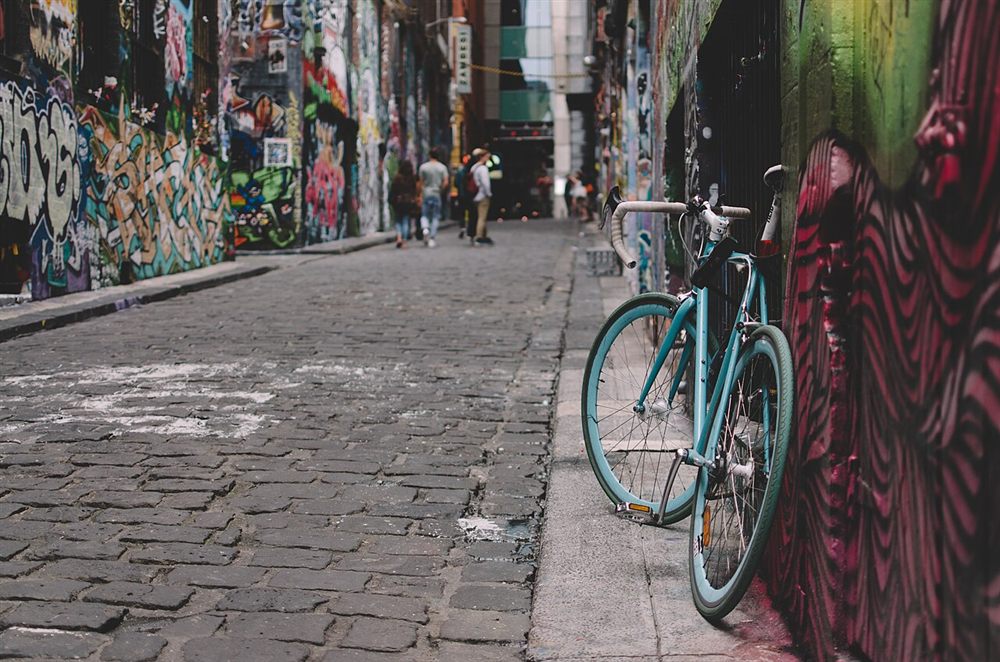
Melbourne's most famous street-art lane, just across from Federation Square. Every wall, bin and doorway is painted, and artists paint over each other constantly, so it never looks the same twice.
Photo: MusikAnimal, 2014, CC BY-SA 4.0. Source
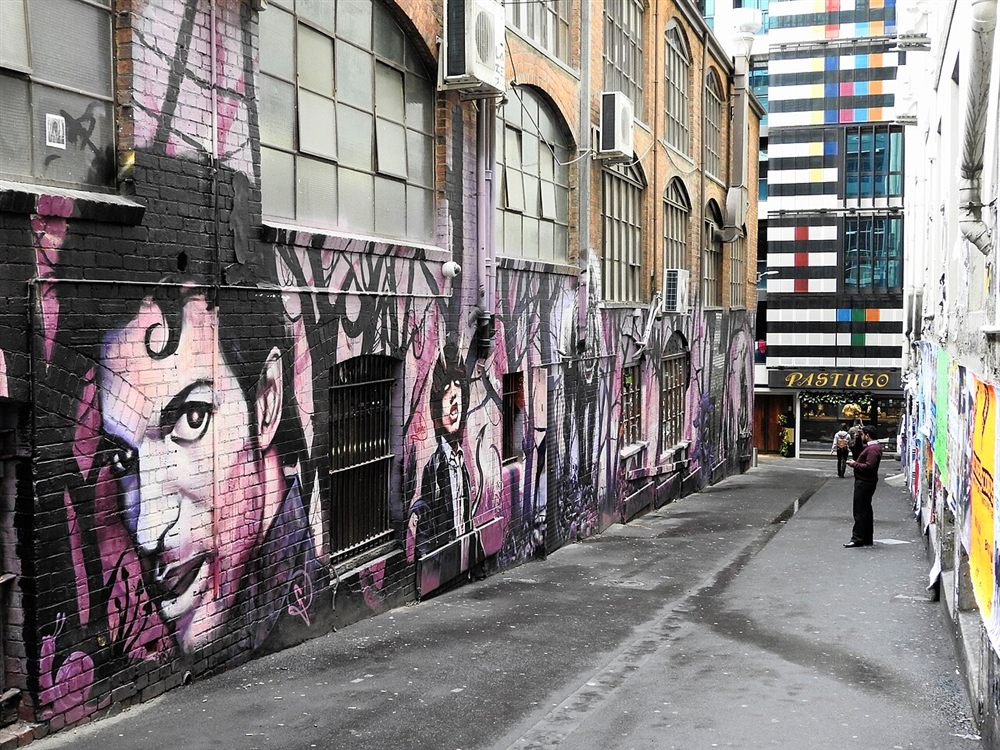
Renamed in 2004 in honour of the band, who famously filmed "It's a Long Way to the Top" on the back of a truck on Swanston Street. Giant murals of music legends cover the walls.
Photo: Dushan Hanuska, 2016, CC BY-SA 2.0. Source
Tip: the whole walk is about 2 km and takes an hour or two with coffee stops. Street art changes constantly, so what you see will be different from these photos, and that's half the fun.
Melbourne weather
It's the first thing locals warn you about, and they're not joking. Sunshine at breakfast, a storm by lunch and a jacket by the afternoon is a perfectly normal Melbourne day.
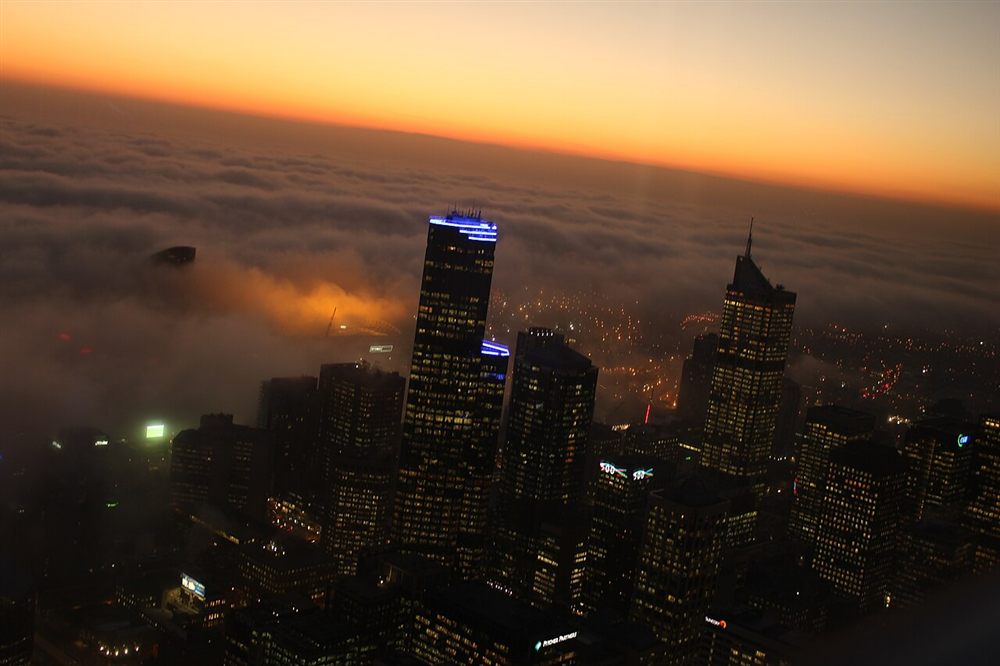
Fog swallowing the city at dusk, June 2011.
David Dusink, CC BY-SA 2.0. Source
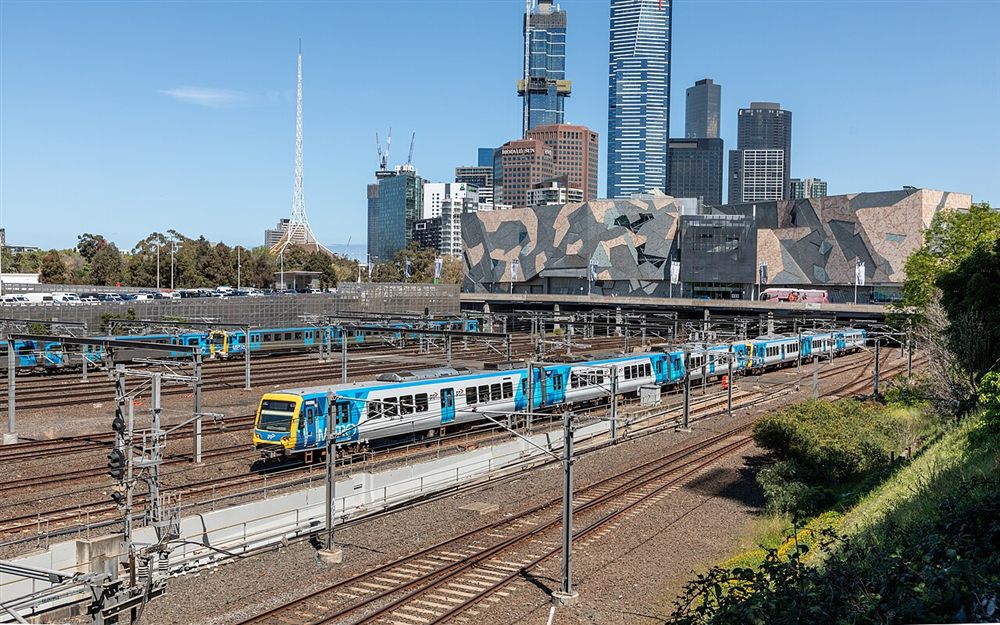
Clear blue skies over Federation Square and Southbank, October 2019.
Dietmar Rabich, CC BY-SA 4.0. Source
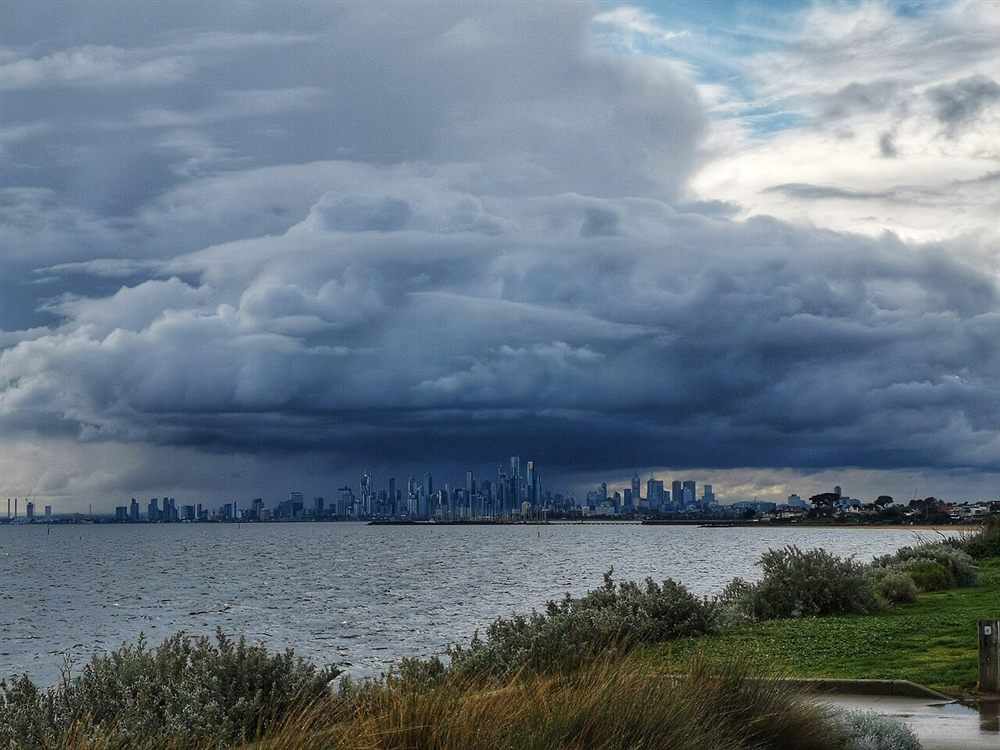
A storm front rolling over the skyline, seen across the bay, August 2020.
AnnieSee, CC BY-SA 2.0. Source
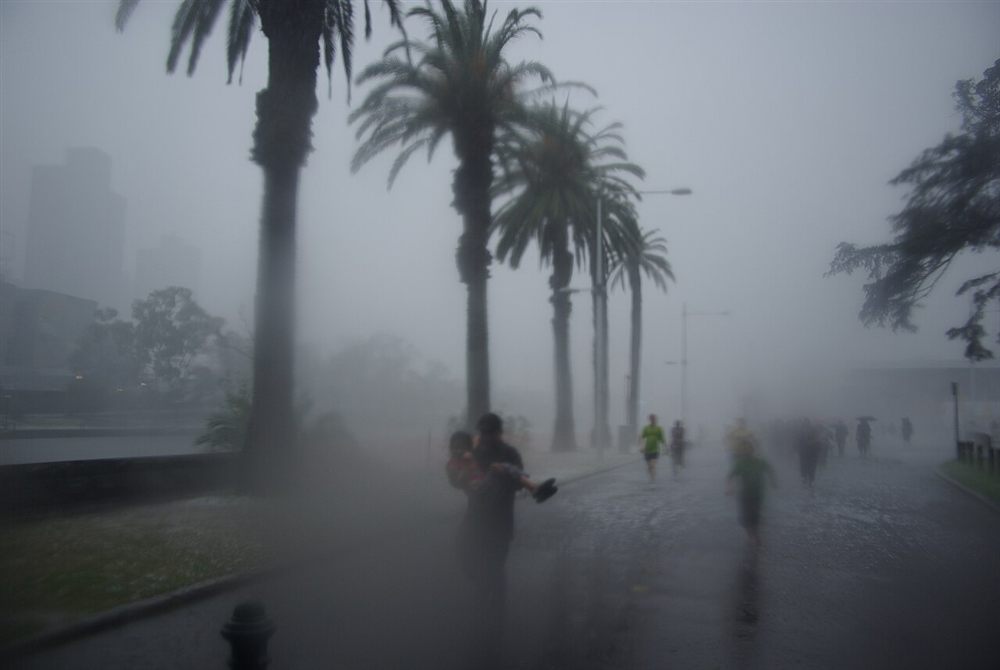
The 6 March 2010 hailstorm caught crowds by the Yarra during the Moomba festival.
Melbourne sits between the hot, dry inland and the cold Southern Ocean. On a hot day a northerly wind blows in from the desert, then a "cool change" sweeps up from the south-west and the temperature can drop 10 degrees or more in under an hour, often with wind, rain and sometimes hail.
Summer (December to February) brings warm days and the odd scorcher over 40°C. Autumn is calm and golden. Winter (June to August) is cool, grey and foggy but rarely freezing in the city. Spring is the wild one, when you really can get all four seasons before dinner.
Game day
Melbourne has more world-class venues within walking distance of the city centre than almost anywhere else. On a big weekend, the whole city seems to be heading to one of them.
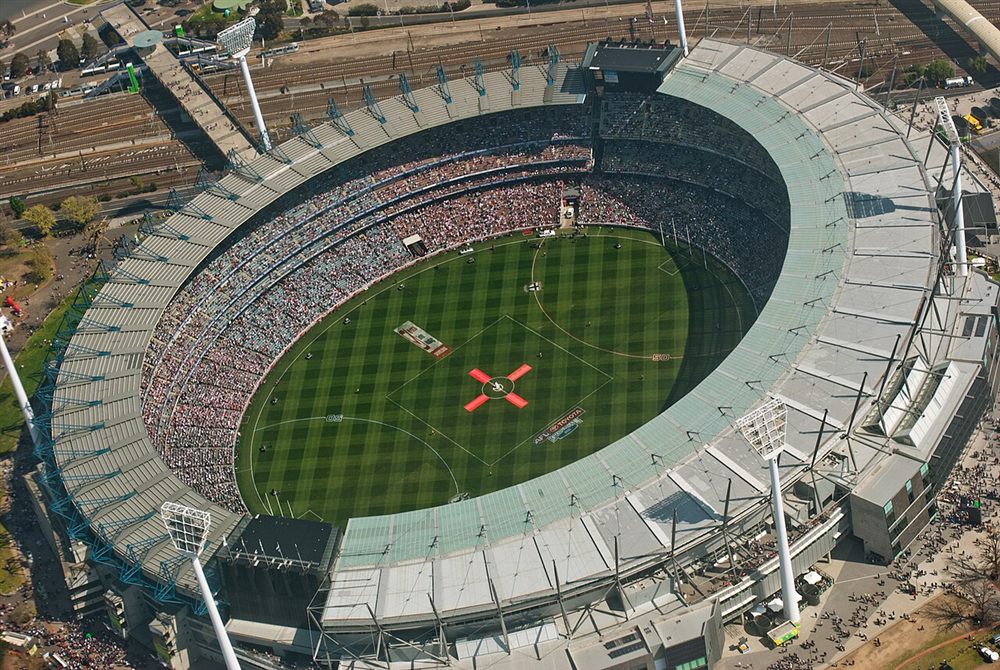
"The G" is the heart of Melbourne sport. Cricket has been played here since 1853, it was the main stadium of the 1956 Olympics, and today it hosts the AFL Grand Final every September and the Boxing Day Test every summer.
Photo: the 2010 AFL Grand Final, by Alexander Sheko, CC BY-SA 2.0. Source
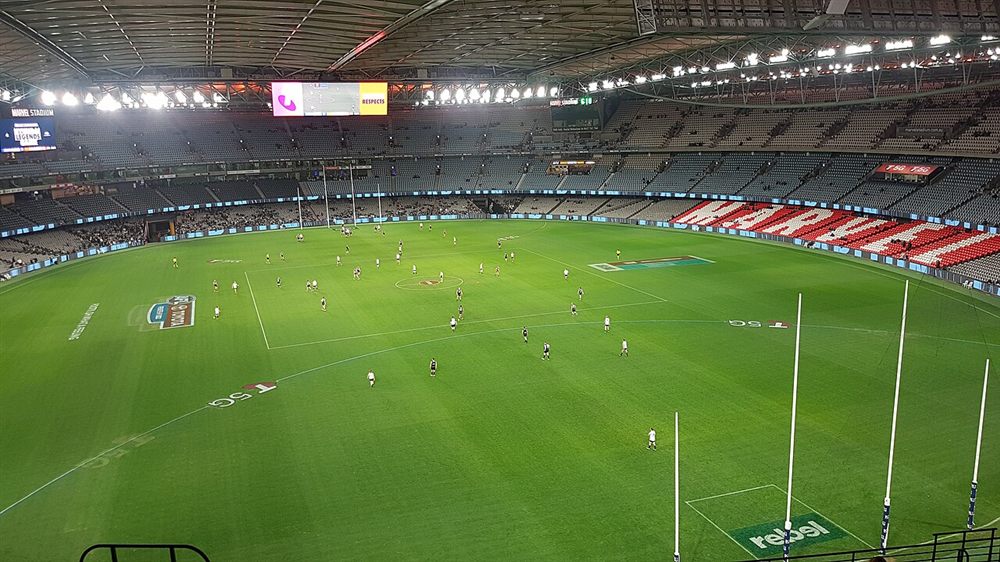
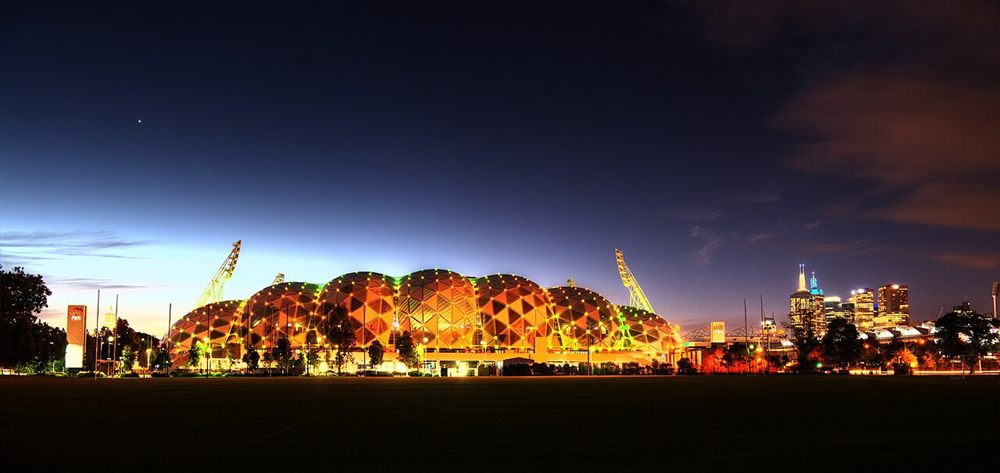
Our local stadium, right here in Docklands. It opened in 2000 and has a roof that closes, so footy, concerts and big events go ahead whatever the weather is doing (and in Melbourne, that matters).
Photo: Aspirex, 2022, CC BY-SA 4.0. Source
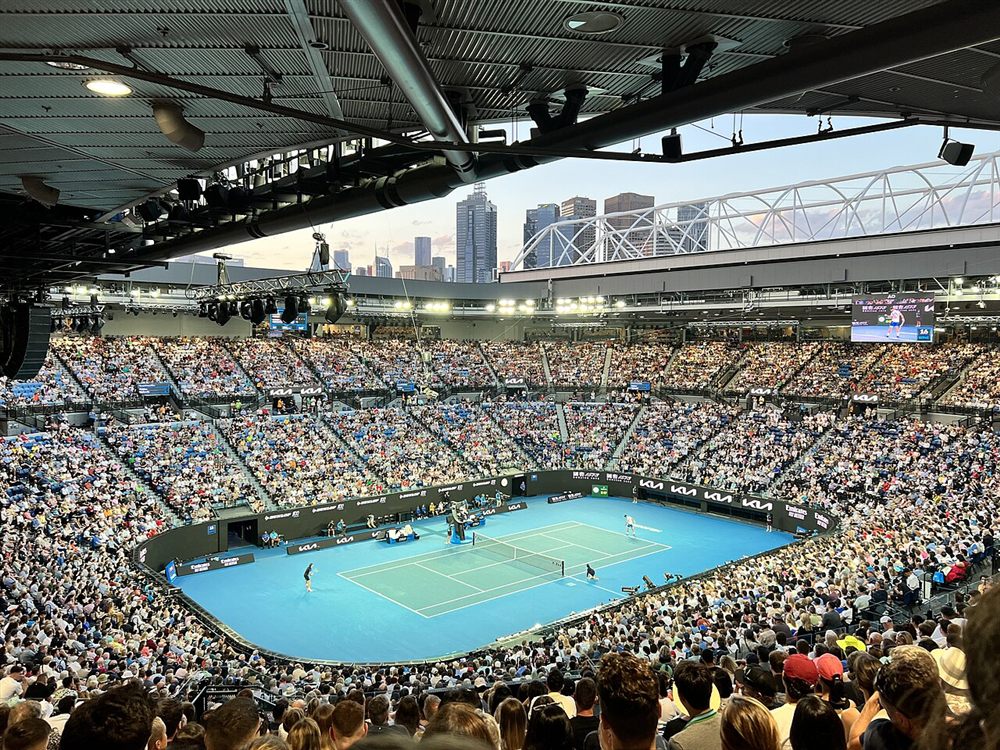
Centre court of the Australian Open, the first Grand Slam of the year, every January. The rest of the year it's one of the city's biggest concert venues, with a retractable roof for rainy nights.
Photo: Australian Open 2023, by Gracchus250, CC BY-SA 4.0. Source
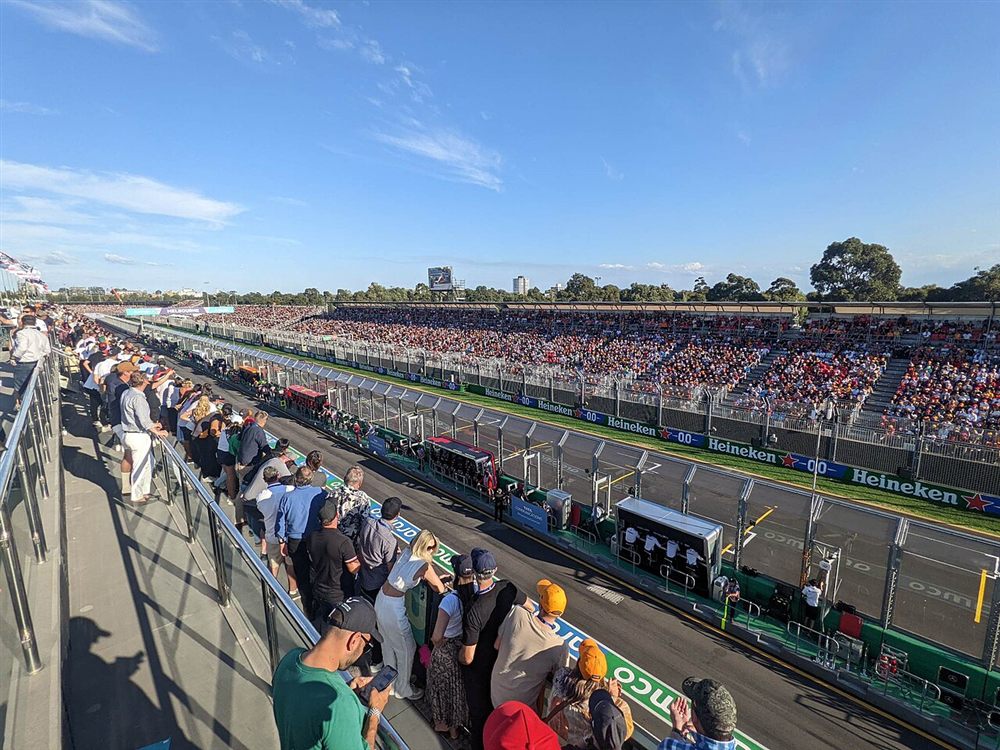
Every year, usually in March, the roads around Albert Park Lake are closed off and turned into a Formula 1 street circuit, just a few kilometres from the city. For four days the park fills with the sound of engines, grandstands and huge crowds, then it goes straight back to being a quiet park for joggers and dog walkers.
Photo: the main straight at the 2022 Grand Prix, by AllAussieTraveller, CC BY-SA 4.0. Source
Getting around
Nothing says Melbourne like a tram rattling down the middle of the street. They're how most of us get around the city, and from Docklands they're free all the way into the CBD.
Of track, the largest urban tram network in the world
Year Melbourne's first cable trams started running
Tram stops across the city and suburbs
Inside the CBD's Free Tram Zone, including Docklands
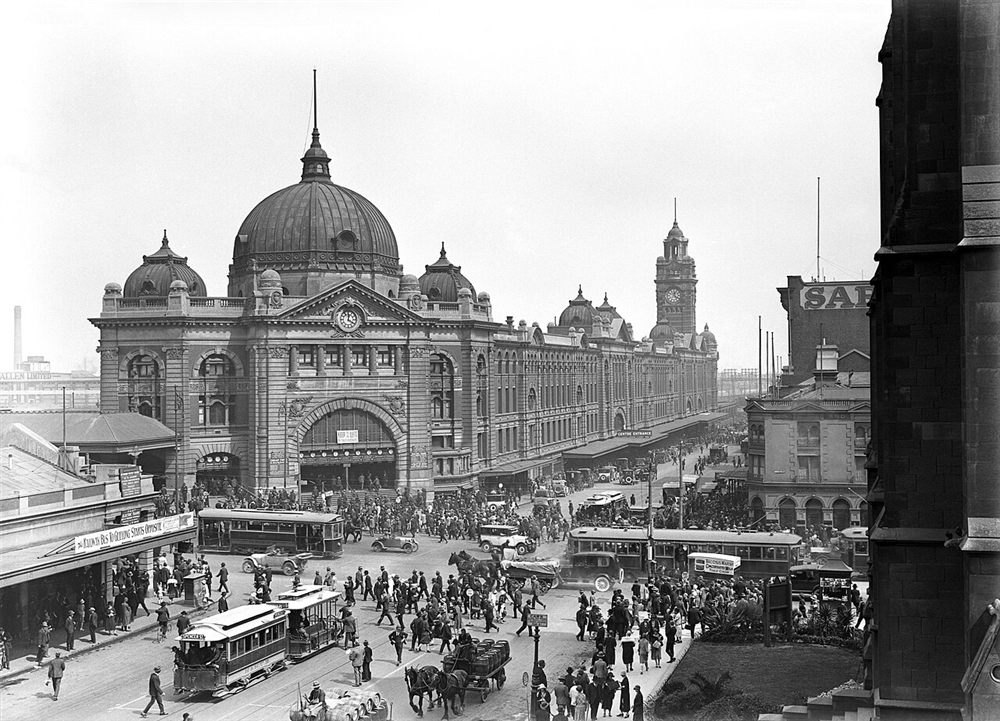
Trams, carts and crowds outside Flinders Street Station. The corner of Flinders and Swanston Streets has been a tram hub for over a century.
Victoria State Transport Authority, public domain. Source
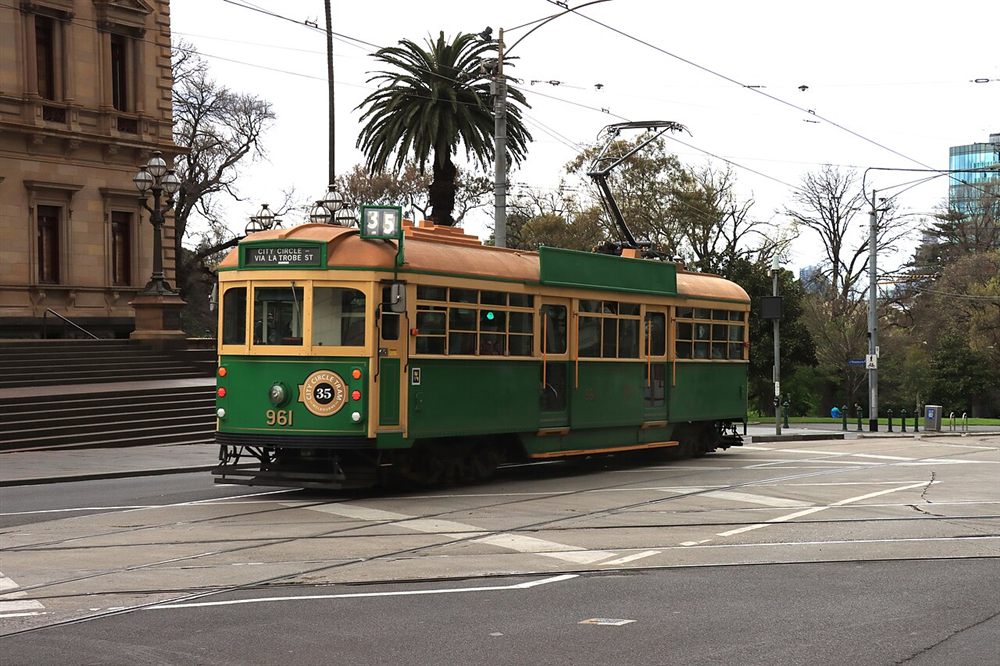
The green-and-gold W-class trams are Melbourne icons. They run the free City Circle route, looping the CBD and Docklands past many of the main sights.
Philip Mallis, 2024, CC BY-SA 2.0. Source
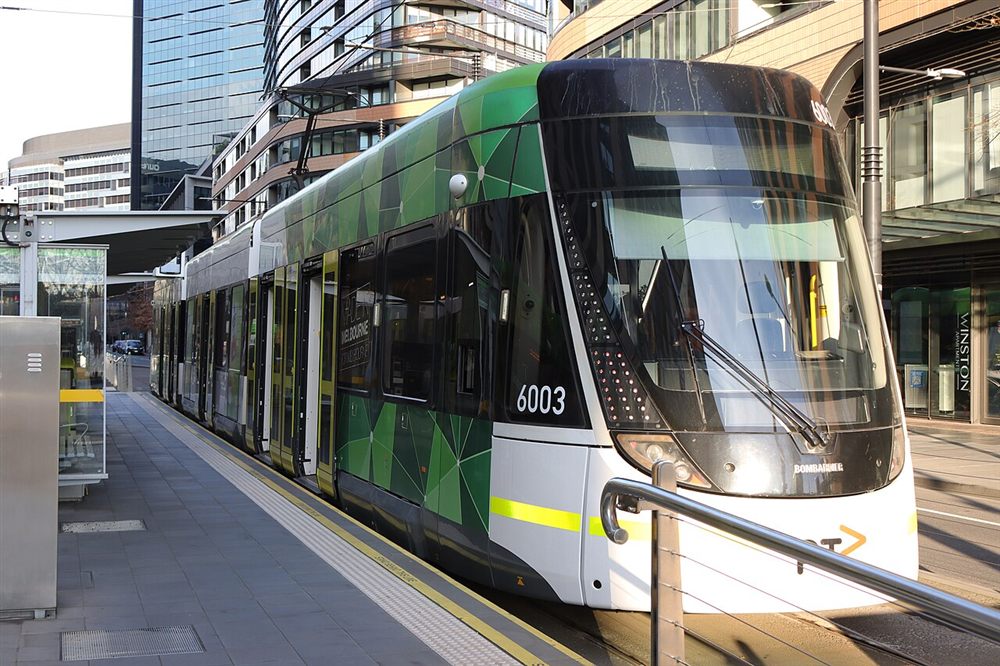
Long, low-floor E-class trams at the Victoria Harbour terminus on Collins Street, a few minutes' walk from the water and straight up Collins Street to the city.
Philip Mallis, 2023, CC BY-SA 2.0. Source
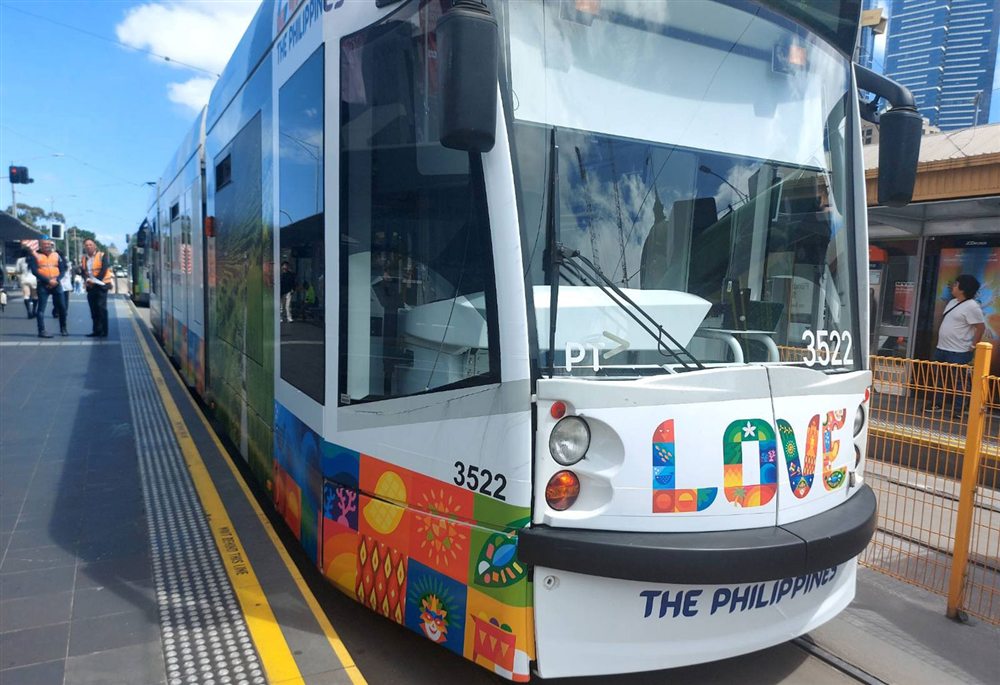
From December 2023 to March 2024, trams on two Melbourne routes wore the colourful "Love the Philippines" tourism wrap. Tram 3522 was the first to carry it.
Photo: Philippine Consulate General in Melbourne, public domain. A campaign with the Philippine Department of Tourism. Source
Local quirk: in the CBD, cars turning right do a "hook turn": they pull over to the left lane and wait for the lights to change, so the tram tracks in the middle stay clear. It confuses every visitor at least once.
Gallery
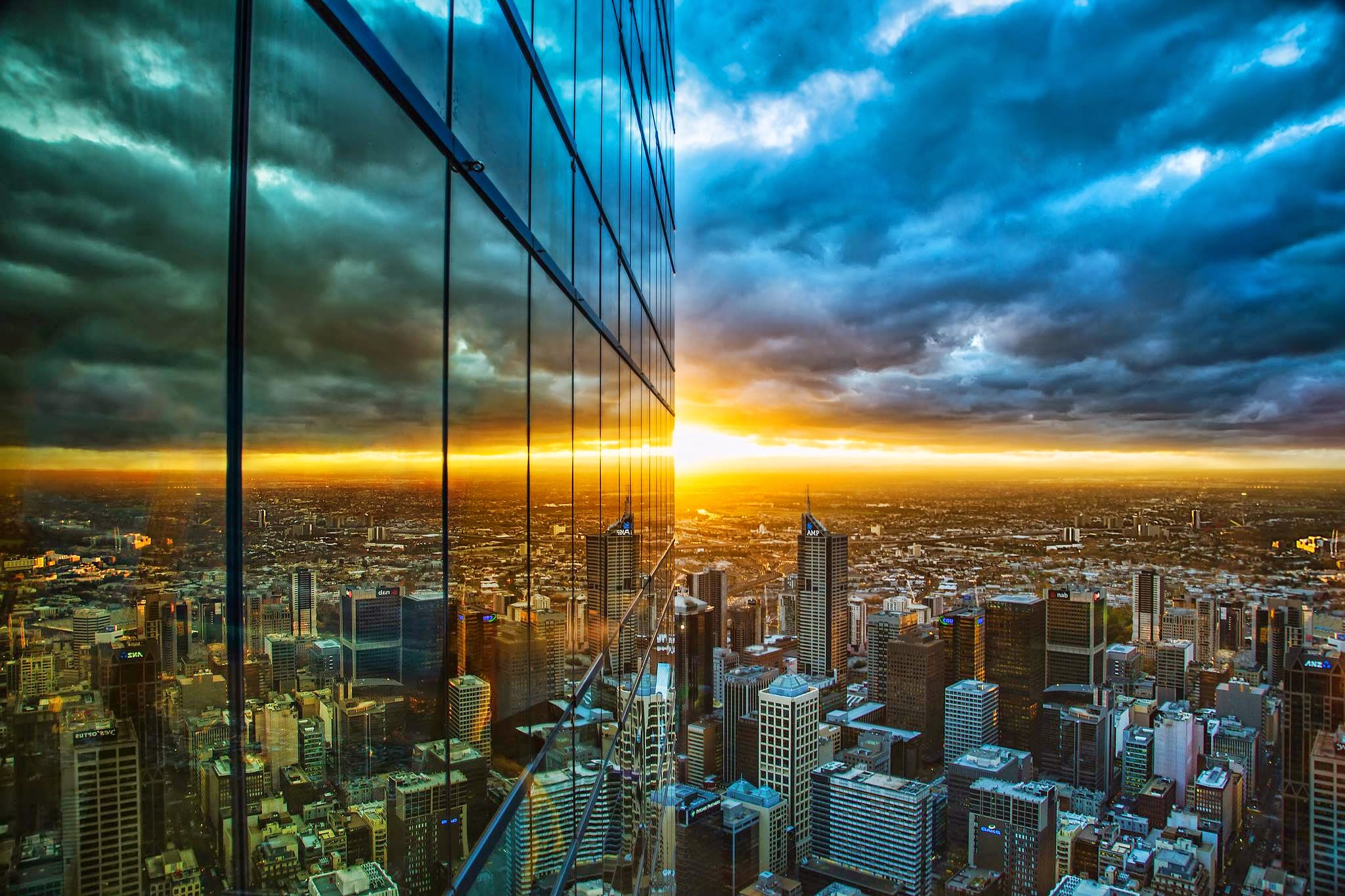
Moments from around Docklands and the city — sunrises, skylines, the harbour and everyday scenes.


Lifestyle
What living here actually looks like, day to day.
Melbourne takes its coffee seriously. Mornings start with a flat white and a walk by the water.
Trams at the door, the CBD a short walk away, and bike paths along the river.
Classic Melbourne weather — sunshine, wind and rain, sometimes all before lunch.
Footy at the stadium, markets, festivals and long lunches by the harbour.
Thousands of places to eat, tucked down laneways, up hidden staircases and on rooftops. From dumplings and pho to degustation menus, you could eat out every night for years and never have the same meal twice.
Restaurants and bars line the river at Docklands, South Wharf and Southbank. Grab a table outside at dusk and watch the city lights come on across the Yarra.
Every sunset over the Yarra, with the yachts at rest on the water, is a reminder of why I love calling this place home.Docklands, Melbourne